Malaye Display Font for Handmade Labels and Product Branding
I remember the moment clearly—midnight, a stack of blank kraft labels on my desk, and a candle I’d spent weeks perfecting sitting in front of me. I’d tested three different fonts for the label text, but nothing felt right. Then I opened Malaye. The bold, authentic letterforms landed on the screen, and suddenly the candle had a voice. It wasn’t just a scent anymore; it was a statement. For anyone who makes things by hand, whether it's candles, stickers, greeting cards, or tote bags, the font you choose becomes part of the product itself. Malaye, a striking display font, brings that confident presence to any project where you need a strong visual anchor.
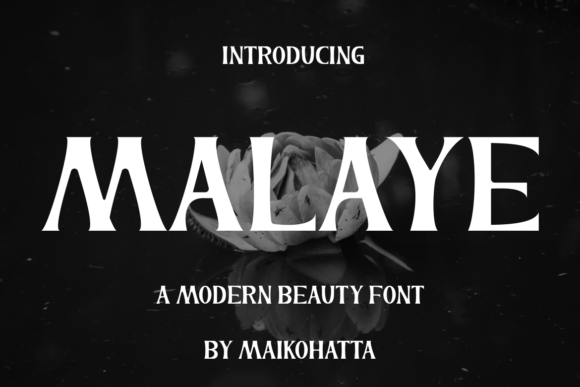
Malaye is a premium display font designed to capture attention and hold it. Its letterforms feel both grounded and dramatic, with a weight that commands space. The strokes are deliberate, the shapes bold, and the overall mood is one of unapologetic character. If you are a crafter, an Etsy seller, a printable creator, or a small shop owner designing your own packaging, Malaye gives your work a distinctive voice without needing any extra decorative fuss. It does the heavy lifting on its own.
Using Malaye for Candle Labels and Product Packaging
When I first printed a test of Malaye on a matte kraft label for my soy candle, I was struck by how the font seemed to settle into the surface. It didn't feel stamped on; it felt like it belonged. For product packaging, especially on small or medium-sized labels, a display font needs to remain readable while making an impression. Malaye delivers on both fronts. The thick, confident strokes ensure that the name of the candle or the key phrase stays clear even when the label is just two inches wide. I used it for scent names like “Whiskey Pine” and “Smoked Vanilla,” and the font gave each one a rugged, grounded feel that matched the earthy branding I was going for.
If you are making candle labels, soap wrappers, or boutique product tags, Malaye works beautifully as the primary text. It is especially effective for short phrases, product names, and brand identifiers. The weight of the font communicates quality and permanence. When a customer sees a label set in Malaye, the product appears more substantial. The texture of the paper and the boldness of the type combine to create a sensory experience even before the candle is lit. For packaging design that needs to feel authentic and handmade, Malaye is a natural choice.
Malaye for Wedding Invitations and Special Event Stationery
I recently helped a friend design a small batch of wedding invitation suites using Malaye for the couple's names and the main heading. The font's authentic, bold presence made the invitation feel immediate and personal. It has a kind of warmth that a rigid sans serif often lacks, yet it remains formal enough for a ceremony. The trick was using Malaye sparingly—only for the names and the word “together”—and pairing it with a clean serif for the body details. This allowed the display font to shine without overwhelming the rest of the layout.
For wedding stationery, Malaye works on the save-the-date card, the main invitation, the welcome sign, and even the seating chart. Its consistent weight means you can scale it up for a large sign and still maintain legibility. If you are designing digital templates for wedding stationery to sell on Etsy or your own shop, Malaye is a font that adds perceived value. Buyers look for typefaces that make their event feel curated, and Malaye does exactly that. It suggests care, attention, and a design sensibility that goes beyond the ordinary.
How Malaye Adds Character to Farmhouse Signs and Home Decor
I cut a set of farmhouse-style wooden signs using my Silhouette machine with Malaye as the chosen font, and the results exceeded my expectations. The letterforms transferred cleanly onto the vinyl, and when I weeded the design, the bold shapes held together without any thin parts tearing. If you work with Cricut or Silhouette machines for creating home decor, Malaye is a reliable option because its strokes are thick enough to handle the cutting and weeding process without frustration. It works for phrases like “ Gather ” or “ Home ” or “ Cozy Kitchen ”—short, meaningful words that benefit from a strong visual weight.
For printable wall art, Malaye creates an instant focal point. A single word in Malaye, printed on high-quality paper and framed, becomes a piece of art in itself. I’ve used it for market signs, booth banners, and even a small sign for a craft fair that read “ Handmade with Love. ” The font’s presence invited people to stop and read before they even reached my table. That is the power of a well-chosen display font. It doesn't just communicate words; it communicates energy and intention.
Pairing Malaye with Complementary Fonts for Shop Branding
No font lives in isolation. When building a brand identity for a handmade business, the way you pair your display font with a supporting typeface matters. Malaye pairs beautifully with a clean sans serif like Montserrat, Open Sans, or Lato for body text, product descriptions, and ingredient lists. The contrast between the bold, personality-rich display font and a neutral, readable sans serif creates balance. I also tried pairing Malaye with a simple handwritten font for a more playful look on gift tags, and the combination felt natural without being chaotic.
For logo design, Malaye can stand alone as the brand name, especially if your business name is short. If you are selling digital printables or templates, include font pairing suggestions in your product listings. Buyers appreciate knowing that the display font they are buying works well with a specific sans serif or serif option. It helps them visualize the final product. Malaye itself is a font that invites pairing because it is confident without being aggressive, and it leaves room for a secondary typeface to support it without competing.
Readability Tips for Malaye on Stickers, Tags, and Small Labels
When using a bold display font like Malaye on small surfaces, there are a few practical considerations. On stickers that are smaller than 1.5 inches, keep the text to one or two words. The font’s strength is in its presence, so let it breathe. For product tags attached to clothing, bags, or gifts, Malaye works well for the brand name or a short tagline. I tested it on round stickers for a line of bath salts, and the text remained clear even at a small size because the letter spacing is generous and the shapes are distinct.
If you are designing cutting machine files, pay attention to the size of the text in relation to the material. Malaye’s bold strokes mean you can cut it out of vinyl or cardstock without losing the shape of thinner parts, because there are no thin parts to break. That is a major advantage for makers who sell physical products like shirts, mugs, and tote bags. The font holds its integrity across materials. I recommend testing a sample cut before committing to a large batch, but in my experience, Malaye performs well on fabric, paper, and even glass when used with adhesive vinyl.
Commercial Licensing and File Formats for Selling Products with Malaye
Before you start selling products that include Malaye, it is essential to check the commercial licensing terms included with your purchase. Many display fonts for handmade products come with a standard commercial license that covers physical goods like candles, shirts, mugs, and packaging. However, if you plan to create digital templates, printables, or SVG-style designs for resale, you may need an extended license that covers digital distribution. Always verify the included file formats—usually OTF, TTF, WOFF, and sometimes variable font options—to ensure compatibility with your design software and cutting machine platform.
Malaye also includes alternates, ligatures, and swashes in some versions, which allow you to customize the lettering for a unique look. These special characters add value for handmade sellers who want their products to feel one-of-a-kind. If you are designing printable wall art, wedding invitations, or boutique tags, using an alternate glyph on the first letter can elevate the entire design. Check whether the font supports multilingual characters if your audience includes non-English speakers. A font that travels across languages expands your market without extra effort.
Malaye for Seasonal Craft Designs and Holiday Products
For seasonal products, a display font that carries a strong mood is invaluable. I used Malaye on a set of Christmas gift tags featuring the words “ Joy, ” “ Peace, ” and “ Cheer. ” The bold letterforms gave each tag a sturdy, festive feel. On a tote bag for a winter market, the word “ Cozy ” in Malaye became the centerpiece of the design. The font adapts well to seasonal contexts because it is not tied to a specific aesthetic—it can feel rustic, modern, or classic depending on how you style it.
For fall craft fairs, I printed Malaye on kraft paper tags for apple butter jars, and for spring, I used it on a small sign for a flower stand. The font’s versatility surprised me. It maintains its personality across seasons and product types. If you sell printable planners or calendar pages, using Malaye for month headers or key phrases adds a tactile quality to digital products. Buyers respond to fonts that feel printed, even when they are downloaded. Malaye brings that texture and warmth to any screen.
Ultimately, choosing a display font for your handmade products is about finding a voice that matches your own. Malaye is bold without being loud, authentic without being rough, and striking without being distracting. For labels, signs, stationery, packaging, and digital goods, it provides a foundation that makes everything else look intentional. Whether you are cutting vinyl for a mug, printing tags for a market, or designing a wedding invitation for a client, Malaye gives your work a presence that customers will notice and remember.