Comic Crayon Font Adds Handmade Charm to Labels and Packaging
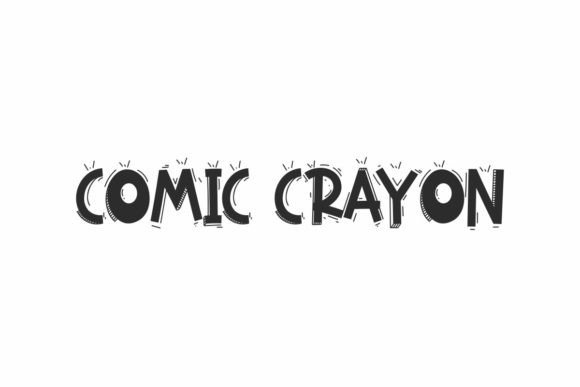
I was sitting on my studio floor surrounded by kraft paper tags, a fresh roll of twine, and a stack of candle labels I had printed three times already. Nothing felt right. The serif I tried was too formal. The script was too fancy. My handmade soy candles deserved something playful but still intentional—something that felt like me. That is when I opened Comic Crayon Font for the first time and watched each letter come to life with its own comic strip personality. This display font, created by NihStudio, has a distinctive hand-drawn edge on every character that makes it stand out immediately on labels, packaging, and digital downloads. If you make things with your hands and sell them with your heart, this is the kind of font that makes your work feel like yours.
Comic Crayon for Handmade Candle Labels and Product Tags
When I design candle labels for my seasonal collections, I want the text to feel as warm as the scent. Comic Crayon Font delivers that with every letter. The comic-style outlines give each character a slight bounce, so even a simple word like “Vanilla” or “Pumpkin” reads like a tiny piece of art. I use Comic Crayon as a display font for the product name on the front label, then pair it with a clean sans serif for ingredients and burn time details on the back. That combination keeps the label visually interesting without losing readability. For product tags—think linen sachets, lip balms, or artisan soap—Comic Crayon adds a handmade feel that store-bought fonts cannot replicate. Buyers notice that difference. They pick up a candle and smile before they even smell it, because the lettering already told them this was made by a real person.
Using Comic Crayon for Wedding Invitations and Celebration Stationery
I designed a set of wedding invitations for a friend last spring, and Comic Crayon became the unexpected star of the suite. The couple wanted something lighthearted but elegant—not too cartoonish, not too stiff. Comic Crayon worked beautifully for the couple’s names on the front of the invitation. The open, airy letter shapes feel celebratory without being childish. I also used it for directional wording like “Reception to Follow” on the details card. Because this is a display font with comic-style details, it performs best on short phrases and names rather than long paragraphs. For the body text, I paired it with a simple serif font to keep the suite readable and balanced. The result was a wedding stationery set that felt personal, modern, and genuinely handmade. My friend told me guests kept asking who designed the invitations. That is the power of choosing a distinctive display font like Comic Crayon—it becomes part of the story.
Comic Crayon for Boutique Tags, Cards, and Printable Wall Art
One of my favorite ways to use Comic Crayon is on boutique clothing tags and greeting cards. For small clothing batches, I print the brand name and care instructions on sturdy cardstock, then punch a hole and thread a bit of cotton cord. The comic-style letters give each tag a youthful, creative energy that appeals to shoppers looking for something unique. On greeting cards, Comic Crayon works wonderfully for the front sentiment—a single word like “Hello” or “Thanks” becomes the focal point. I have tested it on blank cards and folded cardstock, and the letters hold their detail even at smaller sizes. For printable wall art, Comic Crayon is fantastic for short quotes or single words displayed in a frame. Because it is designed as a display font, the letterforms have visual weight and presence. A print that says “Create” or “Dream” in Comic Crayon fills the space with personality. I sell these as digital downloads in my shop, and customers often mention the font is what caught their eye in the listing preview.
Pairing Comic Crayon with Clean Serif and Sans Serif Fonts
No font works entirely alone, and Comic Crayon is a font that shines brightest when paired thoughtfully. Because its comic-strip outlines are detailed and playful, it needs a neutral partner that does not compete for attention. I have found that a clean sans serif font—think something simple like Montserrat, Lato, or Open Sans—creates a nice contrast when used for secondary text. On a gift tag, I set the recipient’s name in Comic Crayon and the message in a sans serif. On a product label, the brand name gets the comic treatment while the ingredient list stays clean and readable. I also enjoy pairing Comic Crayon with a simple serif font for a vintage-meets-modern feel. The serif adds a grounded, trustworthy quality, while Comic Crayon brings the fun. If you love script fonts or handwritten fonts, you can use them sparingly alongside Comic Crayon, but keep the hierarchy clear. Let Comic Crayon be the hero, and let everything else support it. These font pairings work well for logo design, editorial design, social media graphics, packaging design, and brand identity projects where you want a creative font to carry the emotional weight.
Readability Tips for Comic Crayon on Stickers, Labels, and Cutting Machines
When I first started using Comic Crayon on stickers and labels, I tested it on a few different materials to see how it held up. Here is what I learned. For small stickers—anything under two inches wide—keep your text short. A single word or a short name works perfectly. Longer words or phrases can lose definition, especially if the sticker is cut with a machine. I use Comic Crayon on my Cricut for vinyl decals on mugs and tote bags, and the letterforms cut cleanly when I use a moderate size. I recommend setting your font size at least 24 points for cutting projects, and slightly larger for intricate details. The comic-stroke style of Comic Crayon means the letters have open spaces inside them, which actually helps with weeding vinyl because the negative spaces are clear and connected. For printed stickers, I test a proof on plain paper before cutting the final run. This allows me to check that the text remains readable at the intended size. On product labels for small jars or bottles, I keep the label width generous so the font has room to breathe. Crowding a display font with comic-style details can make it look messy, but giving it space lets the personality come through.
Commercial Licensing and File Formats for Comic Crayon Font
Before I add any font to my shop workflow, I check the licensing terms carefully. Comic Crayon Font comes with file formats that work across design platforms—you will typically find OTF, TTF, and WOFF options included. That covers desktop use for printed products, digital use for web previews and social media graphics, and compatibility with most design software including Adobe Illustrator, Photoshop, Procreate, Canva, and Affinity Designer. If you plan to sell physical products like candles, shirts, mugs, tote bags, signs, or seasonal craft designs, you need to confirm whether the license covers commercial use. Many premium fonts include standard commercial licensing that allows you to use the font for merchandise and packaging you produce yourself. For digital downloads, printable templates, wall art, planner pages, and SVG-style designs, check if the license extends to digital products. Some fonts require an extended license for digital resale. I always read the license text directly from the seller or foundry before listing a new product. NihStudio typically provides clear licensing terms, but it is your responsibility as a seller to understand what is allowed. Using a commercial font correctly protects your business and supports the designer who created it.
Comic Crayon for Seasonal Craft Designs and Shop Branding
Seasonal products are a big part of my handmade business, and Comic Crayon has become my go-to display font for holiday tags, gift labels, and limited-edition packaging. For fall, I use it on pumpkin-butter jar labels and thank-you tags for Thanksgiving orders. For winter, it appears on gift tags that say “Merry” or “Joy” tied to brown paper packages. The comic-style letters feel nostalgic without being kitschy, which is a hard balance to strike. I also use Comic Crayon in my shop branding—on my logo print, on my packaging inserts, and on my social media graphics. Having a consistent display font across touchpoints helps customers recognize my brand even before they see my logo. When you run a small shop, every detail matters. The font you choose for your labels, tags, and packaging tells customers what kind of maker you are. Comic Crayon says you are creative, approachable, and intentional about your craft. It is not just a font—it is part of how your products make people feel. And in a market full of mass-produced goods, that feeling is everything.